
Have you ever taken the time to appreciate the life you have? This often makes me think about encouraging children to appreciate what they have and be grateful for it every day. Psychological research shows that people who can be grateful for their lives are more likely to feel happy. The concept of gratitude can be abstract for many children and even teenagers. Here are some tips to instill a sense of gratitude in your children:
Try to make gratitude a habit. Make regular time with your family to express gratitude for something in their lives. Expressing gratitude as part of a routine can strengthen your child’s ability to avoid complaining easily.

Emphasize the use of “Thank You” to show gratitude. Communicate with your children that saying thank you is not only a matter of politeness but also a way to appreciate the goodness we receive and experience.
Find ways to expose your children to diverse cultures, different perspectives, and life experiences. One of the greatest benefits of children seeing how others live is that it gives them perspective on their own lives compared to others, which can foster critical appreciation. Don’t forget to openly discuss it with your children.

Remind your child of the services rendered by heroes or people who have passed away and the kindness they have shown for the greater good. Do this by making thank-you notes and honoring them on commemorative days. One exercise children can do to appreciate heroes on Heroes’ Day is to visit a memorial park and share stories. Express gratitude to those who fought and died for the well-being of their nation.
Show your partner in a tangible way that you appreciate and thank them for what they do and for their presence. Heartfelt communication between parents in front of their children shows that parents appreciate each other.
Offer help to friends, relatives, and family members in need. If your neighbor is sick, offer to prepare meals for them. This shows your willingness to give time to others, even if they may not necessarily accept your offer to help.
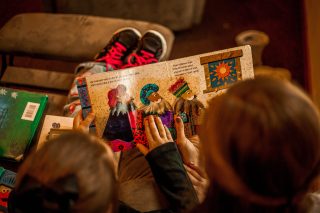
Thank your child for their acts of kindness. For example, if your older child helps their younger sibling with household chores, you can say, “Mom or Dad is very happy to see you helping your sibling.”
Encourage your child to regularly donate to those less fortunate. I don’t recommend donating a large sum of money or making financial contributions. Donations can include clothes and toys that are still usable but are no longer needed by your family. Ask your child to ensure that these items are in good condition. This sends the message that sharing is part of gratitude.
If possible, encourage your child to volunteer in small ways to help those in need in our daily lives. For example, holding the door for someone or giving up our seat on the bus for an elderly person. These actions will set an example for your child that doing good, no matter how small, is part of gratitude.

Try not to expect your child to independently show gratitude and appreciation for what you give them in the near future. Over time, maybe years, they will develop an appreciation for you and their surrounding environment, realizing how lucky they are. As children, teenagers, and eventually adults, their ability to express appreciation and gratitude will emerge. Until that time comes, as a parent, your job is to plant the seed by setting an example and making it part of your family’s daily rituals. Be patient and appreciate yourself as a parent who educates for the well-being of your children and the world around you.
 Anindya Psychological Practice